
Housing Insights for Your Next Property Decision
Understand what's changing—and what it means for you.
Explore how housing conditions, ownership costs, relocation, and changing family needs affect your property options. Find perspectives that help you weigh the tradeoffs before deciding what comes next.
Every property has a story behind it.
And every property decision begins with something changing.


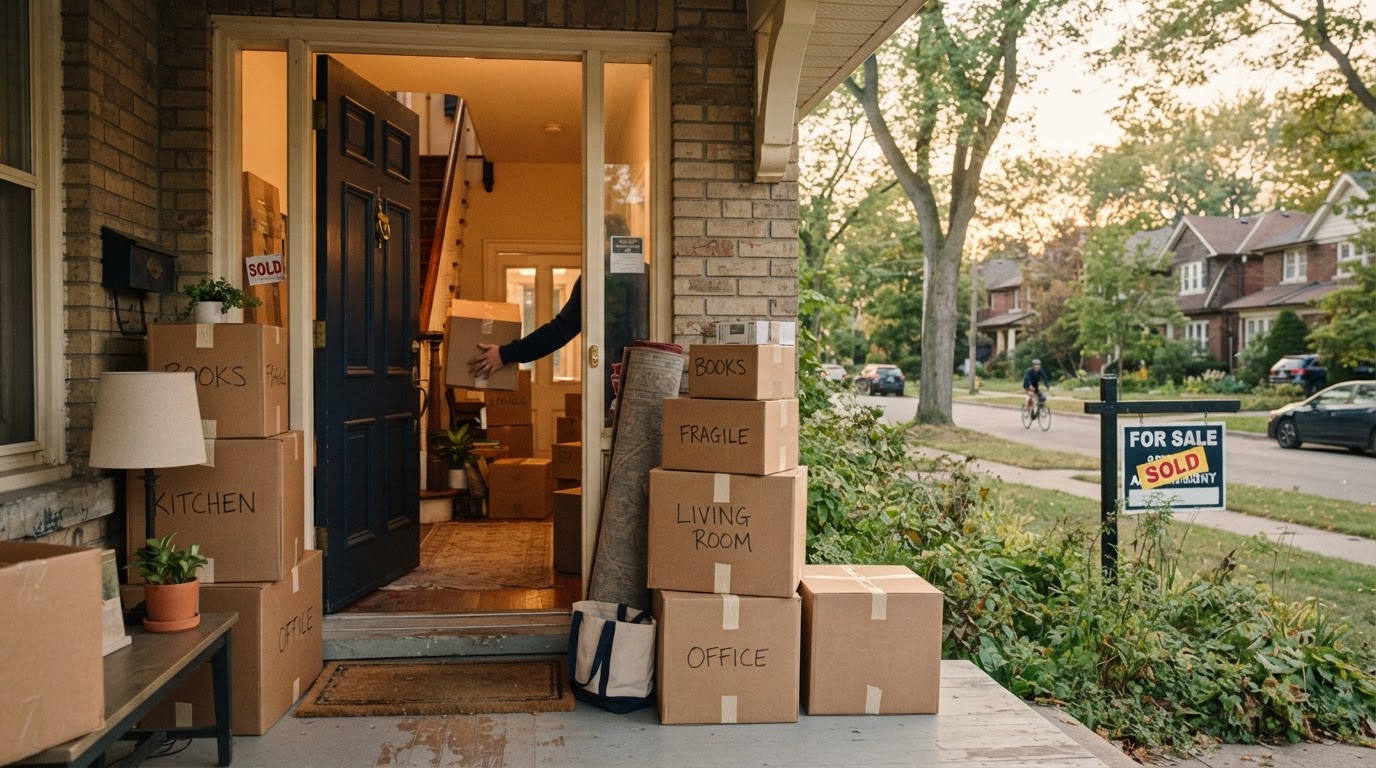



Latest Insights
Fresh perspectives on the circumstances influencing property decisions, from emerging housing trends to the everyday changes that make people reconsider what comes next.

Why a Homeowner Can Afford to Stay but Struggle to Move
A low mortgage payment and years of accumulated equity can make staying attractive — even when the home no longer fits. Explore the financial forces that make moving more complicated than it appears.

Why Owning Two Homes Can Complicate a Relocation
Buying your next home before selling your current one can create overlapping payments, financial uncertainty, and unexpected timing pressure. Understand how these connected obligations shape relocation decisions — and what to weigh before taking them on.

When an Inherited Home Becomes a Family Decision
An inherited property often becomes a question for everyone who shares it. Ownership, memories, costs, and different ideas about the future all arrive at once — and the first useful step is rarely a sale.

When the Housing Market Makes Moving Harder, the Decision Matters More
A difficult housing market doesn't affect every household the same way. For some it changes the timing of a move; for others it changes whether moving makes sense at all. Here's how to think about the decision when the market makes it harder.

Preparing the Decision Before You Make It
A property decision is easier to make once the situation is named, the paths are understood, and the tradeoffs are weighed. A short worksheet can organize that work — and give you something to bring to the conversation.
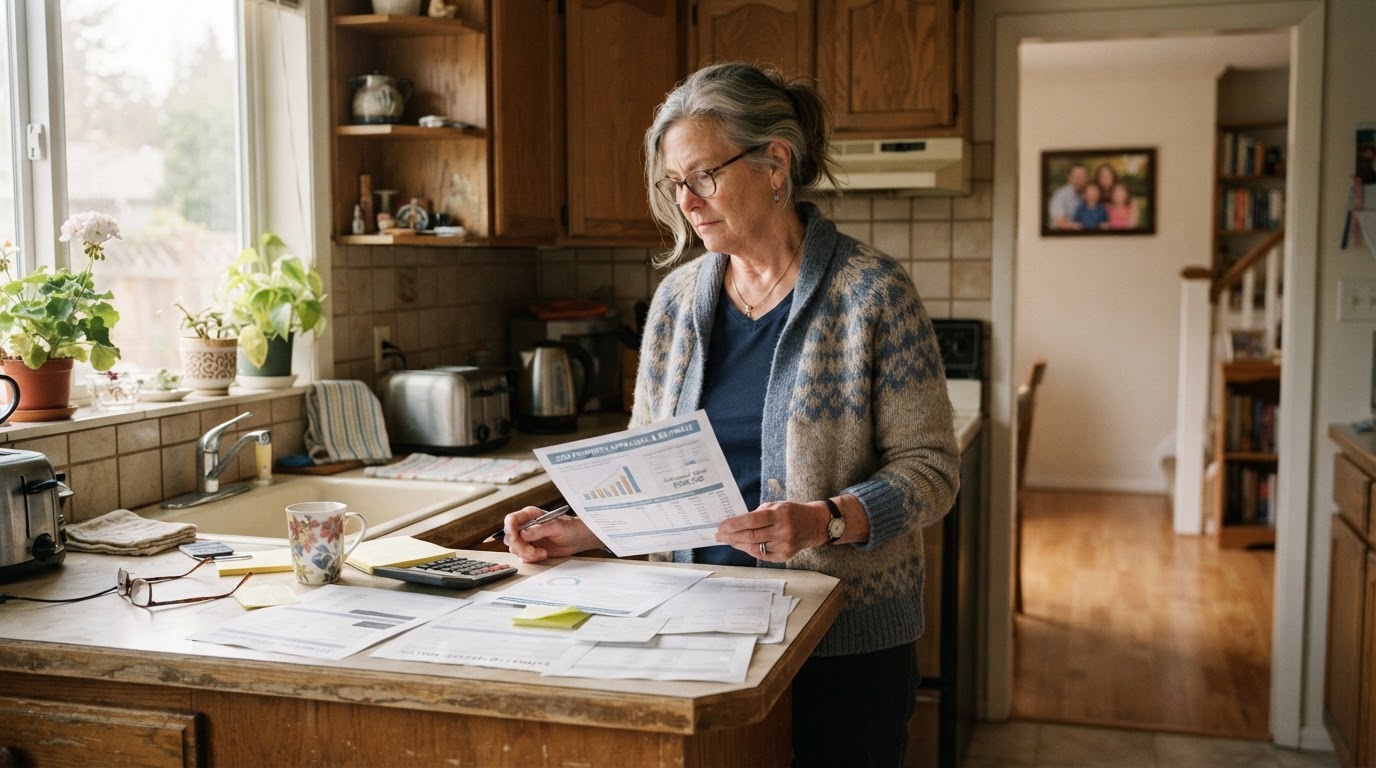
Why Rising Home Values Don't Always Make Homeowners Feel Wealthier
A home can appreciate significantly and still leave its owner feeling financially constrained. Equity on paper and money in hand are different things — and the gap between them shapes what options feel real.

The Rising Cost of Keeping a Home
A mortgage payment is only one part of what a home costs. Taxes, insurance, maintenance, and the steady accumulation of ownership responsibilities can change whether keeping a property still makes sense.

Buying before selling: what carrying two mortgages really means
Moving into your next home before selling the current one can offer flexibility. It can also mean carrying two properties, two sets of housing expenses, and uncertainty about when the overlap ends. Here's how to evaluate whether the transition is workable.

When a Low Mortgage Rate Makes Moving Harder
A favorable mortgage can make staying financially attractive even when the home no longer fits. Explore how the gap between an existing rate and today's borrowing costs can turn a simple decision into a complicated one.

When Owning Two Homes Becomes Too Expensive
Buying the next home before selling the current one can create overlapping payments, uncertain timelines, and pressure that grows the longer both properties are held. Understand how the cost of owning two homes can shape a relocation.

When a Home No Longer Fits the Household
A home can be in perfect condition and still no longer fit the people living in it. Explore how aging, accessibility, empty nesting, and changing family needs can turn a familiar home into a property decision.

When an Investment Property Stops Making Financial Sense
A rental property can become a liability rather than an asset — rising expenses, vacancies, and unexpected repairs can change the economics of holding it. Explore the considerations behind keeping or selling an investment property.

Why National Housing Headlines Can Mislead Local Homeowners
National housing trends describe a country. Property decisions happen on a street. The gap between the two is where real decisions get made — and where broad headlines can point the wrong way.

When the Home You Love No Longer Fits the Life You're Living
The home that once made life easier can gradually become harder to live in. When that happens, the question isn't always whether to sell — it's whether the home can continue supporting the life you want to live.
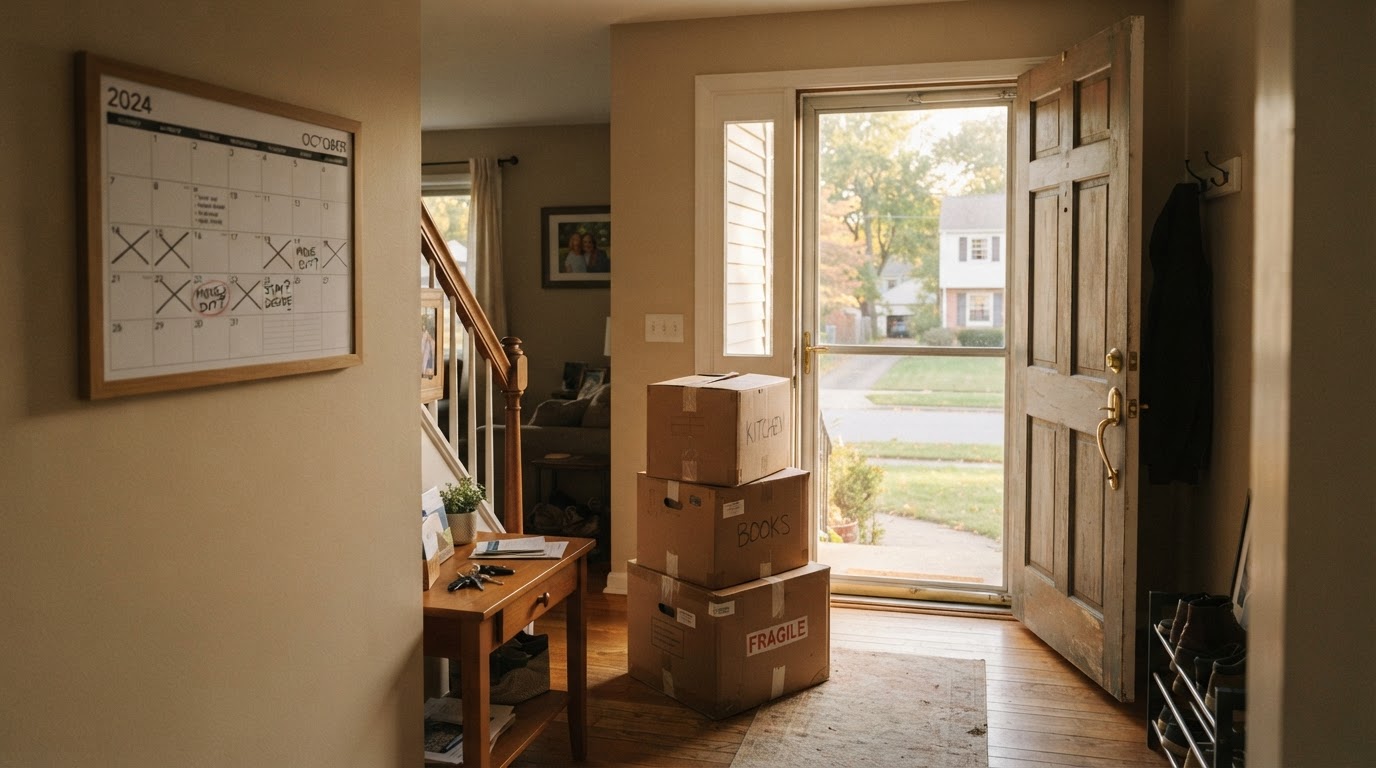
Why Waiting for the Perfect Housing Market Can Become Its Own Risk
Waiting for the right moment to move can feel prudent. But a delay is not the absence of a decision — it is a decision with its own costs, carried risks, and quiet consequences that compound while the household waits.

Why the Price of Your Next Home Matters as Much as the Price of the One You're Selling
A high sale price can still produce an expensive move. When selling and buying happen together, the real economics depend on the gap between two prices — not on either one alone.

A relocation is more than one transaction
Selling one home and finding another are often treated as separate decisions. Seeing them as one coordinated transition changes what deserves attention first.

Why the Monthly Mortgage Payment Doesn't Tell the Whole Story
Principal and interest are only part of what a home costs. Taxes, insurance, maintenance, and the slow accumulation of major repairs all shape whether a property stays affordable over the years you own it.
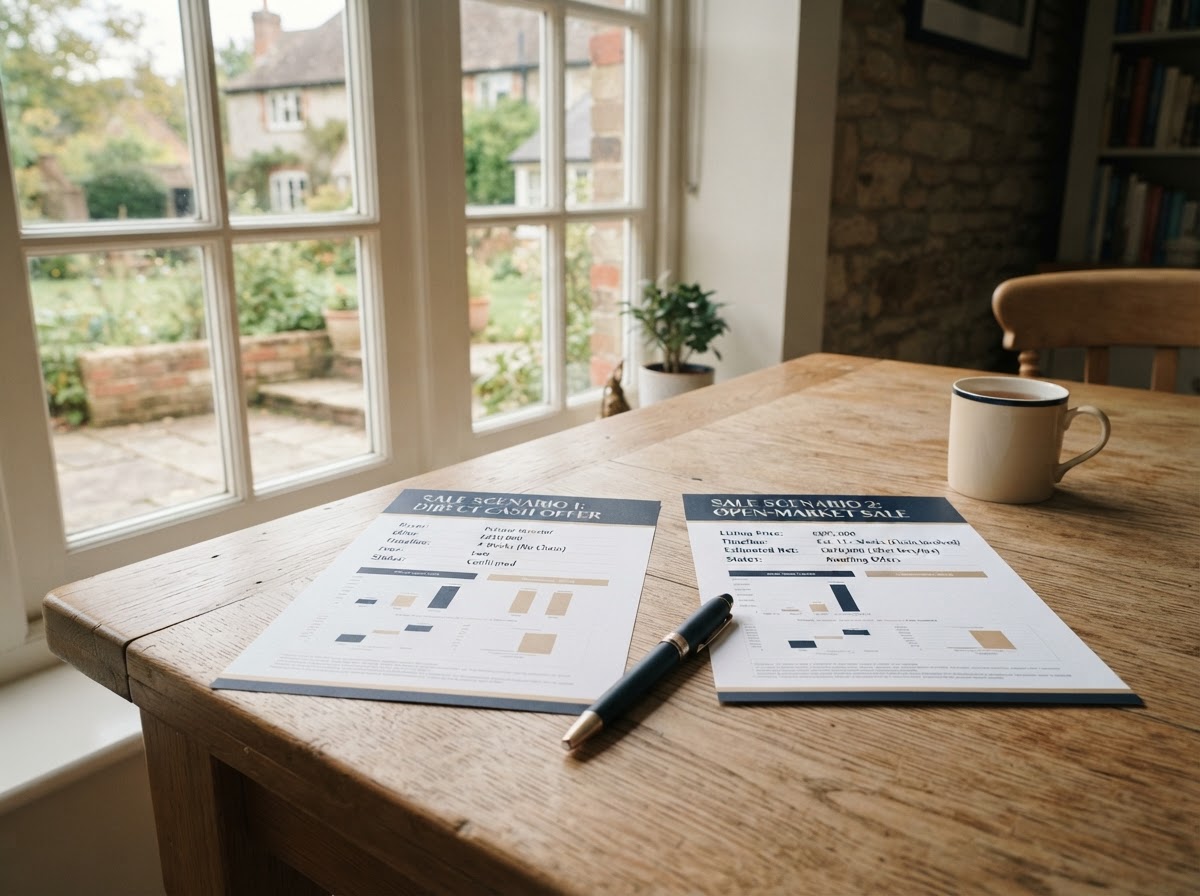
A traditional sale vs. an offer: what are you actually trading?
Price is only one variable. Timing, certainty, condition, and what happens next all shape what an offer is really worth. Here's how to think about the whole exchange.
Why the Cost of Living Can Change the Meaning of a Relocation Offer
A higher salary doesn't guarantee a better financial outcome if the destination's housing, taxes, and daily costs are higher too. Understand how to evaluate a relocation offer against the cost of living — not just the income.
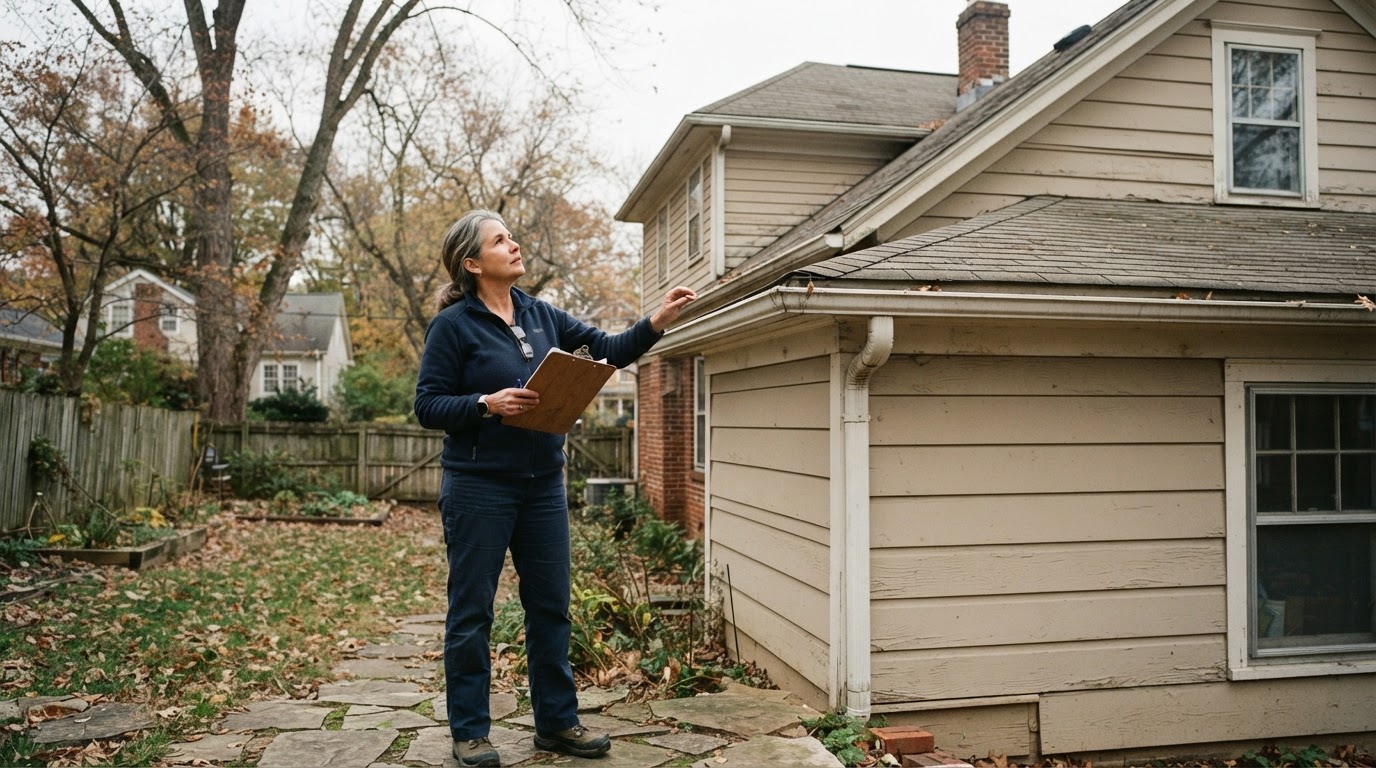
Why Some Homes Sell Quickly While Others Sit on the Market
Two similar-looking homes in the same neighborhood can have very different selling experiences. The market sets the stage, but the property's own circumstances determine how the story plays out.

Why Property Taxes Can Change the Cost of Staying or Moving
A property tax bill is not a fixed feature of a home — it is a living cost that can rise with value, change with ownership, and shift sharply when a household moves. Understanding it changes the arithmetic of both decisions.

You inherited a home. What should you consider first?
An inherited property often raises questions that have nothing to do with selling. Ownership, condition, and family dynamics usually deserve attention before any transaction path becomes clear.

Why Moving to Another State Is More Than a Change of Address
Moving between states introduces different housing markets, tax systems, insurance costs, and lifestyle considerations. Understand the property decisions an interstate relocation creates — and what to weigh before choosing where to land.

Why Home Equity Doesn't Always Make Relocating Easy
A household can have substantial equity and still find a relocation financially difficult. Equity is not the same as the cash and the financing flexibility a move actually requires. Understand the gap — and what it means for a relocation.

Why a Changing Life Doesn't Always Mean Selling Your Home
When circumstances change, selling is often presented as the default. But it's one option among several — and understanding the alternatives is what turns a reaction into a decision. Selling is a choice, not an inevitability.

Why a Buyer's Market Doesn't Mean Every Buyer Has the Advantage
Broad market labels can obscure the conditions that shape a specific purchase. A buyer's market at the headline level can still be difficult for the buyer whose financing, price range, or target neighborhood tells a different story.

When Your Family Outgrows the House That Once Fit Perfectly
A home that fit a household for years can start to feel small as the people inside it change. The question isn't always whether to move — it's whether the home can grow with the family living in it.

When Two Real Estate Transactions Have to Work Together
A relocation often means a sale and a purchase whose timelines, contingencies, and closing dates depend on each other. Understand the coordination challenges — and where a single delay can affect the entire move.

When the Destination Market Moves Differently From the Market You're Leaving
A relocation means selling in one market and buying in another — and the two may be moving in opposite directions. Understand how different inventory, competition, and pricing on either side of the move create different strategic challenges.

When Siblings Disagree About the Family Home
When a family property passes to several heirs, the decision rarely belongs to one person. Different priorities, distances, and financial pressures turn a single asset into a family conversation — and the first useful step is understanding the options, not picking one.

When Selling for Less Can Still Support a Better Next Move
A lower sale price is not always a loss. Sometimes it is the price of a faster, more certain, or simpler exit that lets a household move forward — and the best move is the one that serves the whole situation, not the headline number.
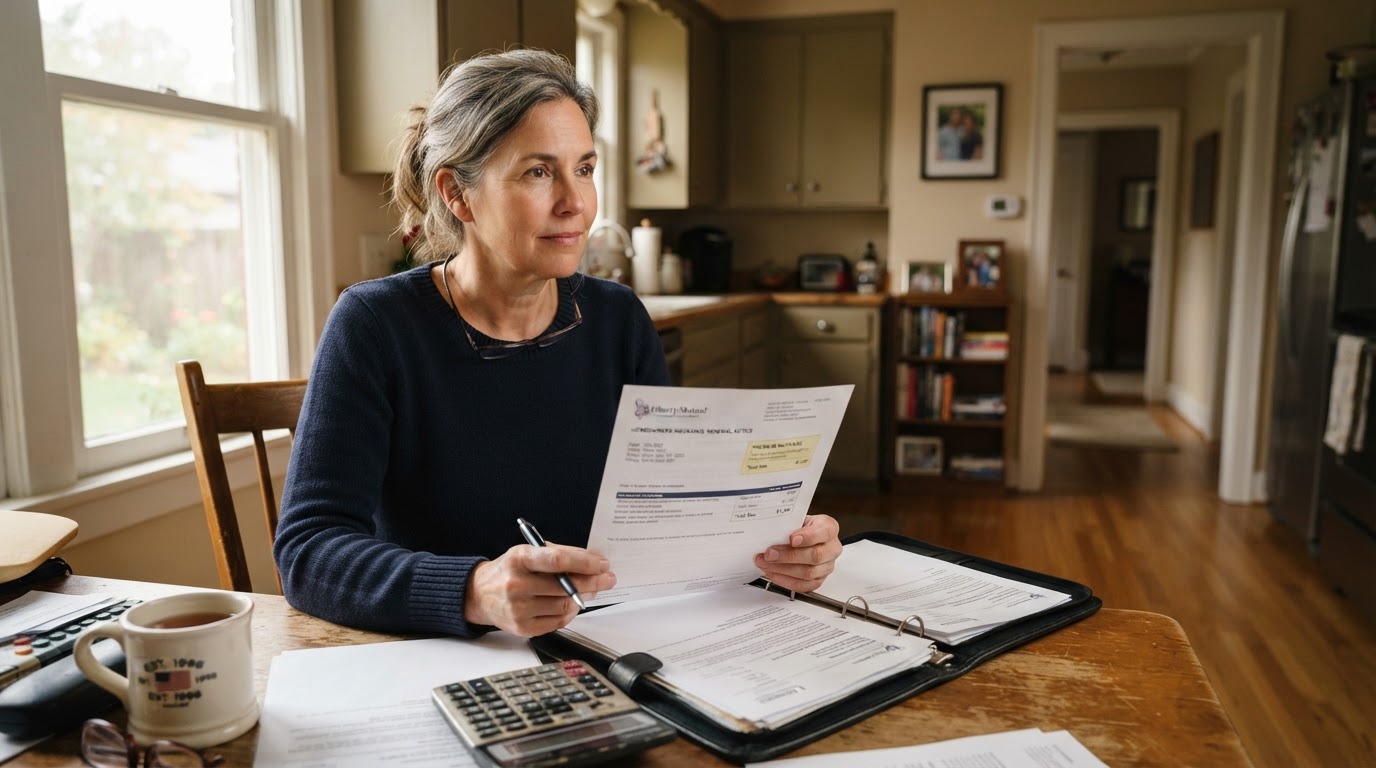
When Rising Insurance Costs Change the Economics of Owning a Home
Homeowners insurance is not merely a closing expense. It is an ongoing factor in whether a property remains affordable — and for some households, it has become the cost that changes everything else.

When Retirement Changes What You Need From Home
Retirement reshapes the economics of a household — income, time, location, and the daily purpose of a home all change at once. The useful question isn't whether to move, but what the home is now for.

When Maintaining a Home Becomes More Expensive Than Expected
A home ages whether the household notices or not. Deferred maintenance, aging systems, and the creeping cost of keeping a property standing can quietly reshape whether owning it still makes sense — and what it will take to sell it.

When Home Equity Becomes Part of a Retirement Decision
For many households, the largest retirement asset is the home they already own. Equity can create options — but using it means weighing cash flow, risk, taxes, and the cost of the next chapter against the value of staying put.

When Health Changes the Meaning of Independence at Home
Independence isn't a single state — it's shaped by what a home allows, what support is available, and what a changing body can comfortably do. When health shifts, the question isn't whether to stay but what staying well actually requires.

When Downsizing Is About More Than Square Footage
Downsizing is often treated as a math problem — fewer rooms, smaller payment. But the homeowners considering it are usually after something less measurable: freedom, simplicity, proximity, or a life that fits differently.

When Caring for a Parent Changes Your Own Housing Plans
Becoming a caregiver can reshape the caregiver's housing as much as the parent's. Combining households, moving closer, or adapting a property — each carries its own costs, logistics, and boundaries.
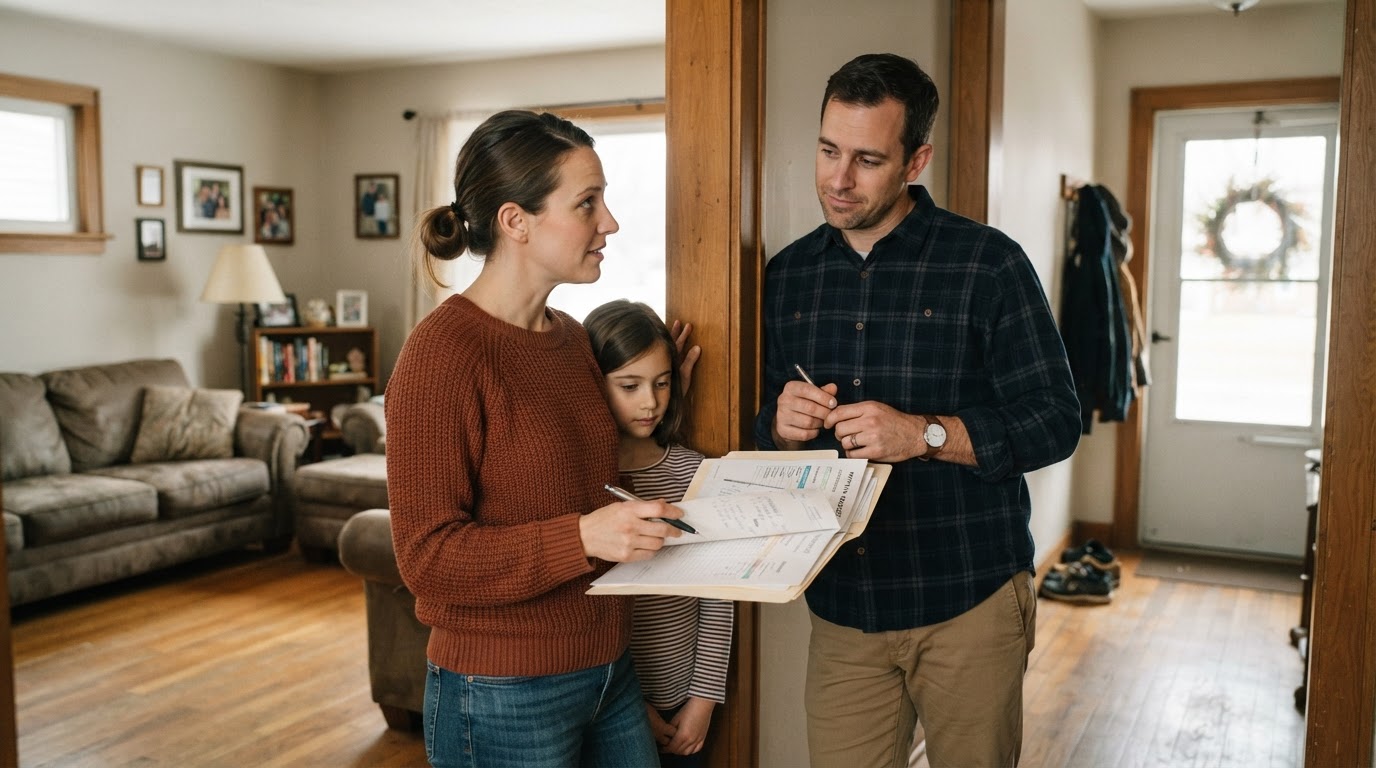
When Buying a Home Becomes a Question of Financial Flexibility
Qualifying for a mortgage and being financially comfortable with a purchase are different things. The real question may be how much flexibility a household is willing to trade for the house.

When an Aging Parent's Home Becomes a Family Concern
It often starts with a small worry — a fall, a cluttered stairway, a house that's harder to keep up. How can a family help while respecting a parent's independence and the home they've built?

When Adult Children Move Back Home
A household that was once full and then quiet can become full again. When adult children return, the home has to fit a different kind of family — and the questions that follow are practical, financial, and human.

When a New Marriage Brings Two Homes Together
Blending a household often means blending two properties — two mortgages, two sets of equity, two locations, two sets of routines. The question isn't only which home to keep. It's what the new household needs.

When a Marriage Ends, What Happens to the Family Home?
Separation and divorce turn a shared home into a shared decision about money, timing, and what comes next. The home can be kept, sold, refinanced, or held — and the right answer depends on more than its value.

When a Longtime Homeowner Is Ready for Something Different
Not every property transition begins with a problem. Sometimes a homeowner simply wants a different life — and that's a legitimate reason to reconsider a home. The useful question is what 'different' should actually look like.

When a Job Change Reshapes Where a Family Lives
A new opportunity can mean a new city, a longer commute, or a different kind of life. Before the offer becomes a move, it's worth weighing what the relocation actually costs — and what the current home is actually holding.

When a Home Holds More Memories Than Its Owner Can Manage
A longtime home can become too heavy to carry — not because of its size, but because of what it holds. The practical question and the emotional one are intertwined, and the right answer respects both.

When a Family Wants to Live Closer Together
The decision to move closer to family is rarely just about distance. It's about support, time, the shape of daily life — and what each household is willing to change to be nearer. Before the move, it's worth understanding what closeness would actually require.

When a Family Property Becomes Part of the Next Generation's Future
A long-held property carries more than equity — it carries a family's history and the question of what should happen to it next. Preserving, transferring, or reconsidering a legacy property is a decision that deserves to be made on purpose.
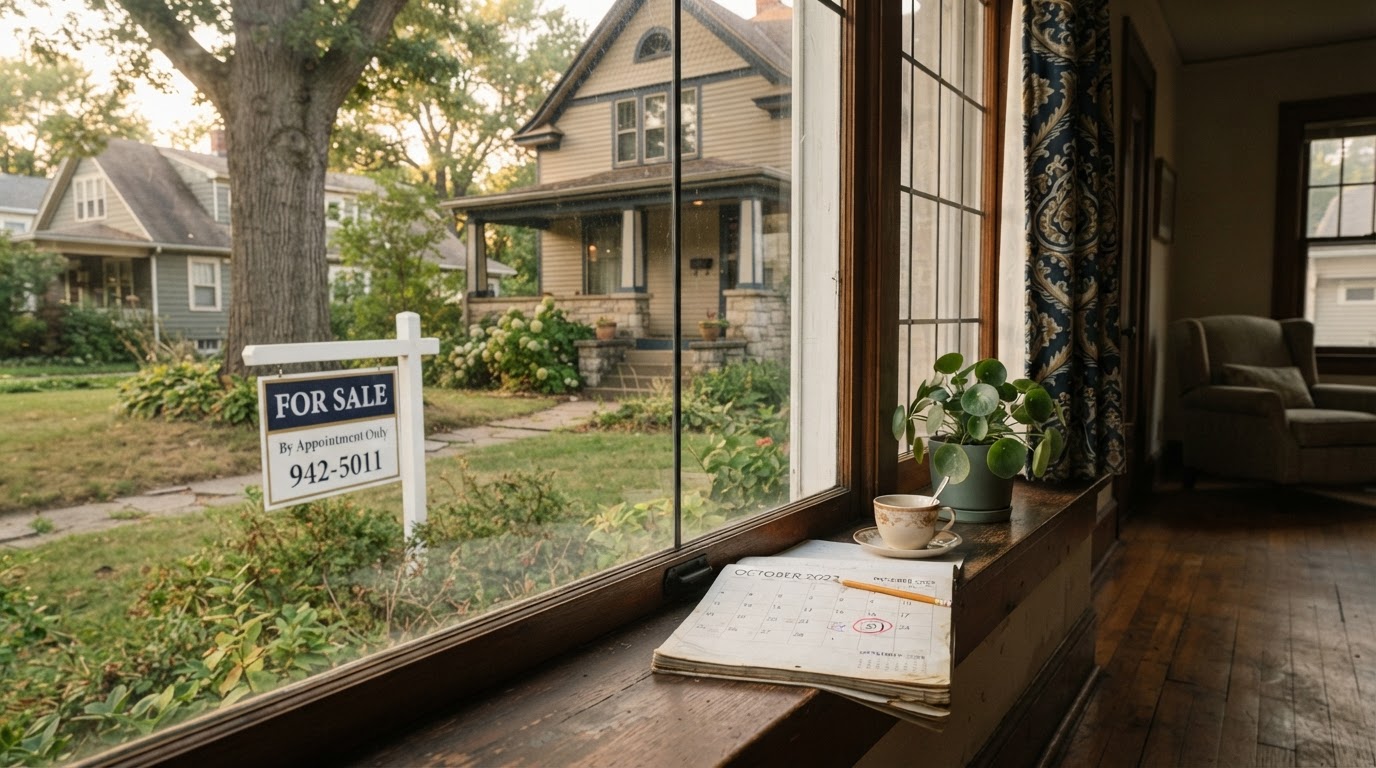
When a Delayed Home Sale Changes the Entire Moving Plan
When the departure home takes longer to sell than expected, the delay reaches every part of the relocation — the financing, the timeline, the carrying costs, and the household's cash flow. Understand how one delay cascades and what to plan for.

What Happens When Your Home's Value Changes but Your Plans Don't?
A household can plan a move around one set of numbers and arrive at another. When the market moves between the plan and the decision, the same intentions can produce different — and harder — choices.

What Happens When You Buy Before You Sell?
Buying your next home first can secure the destination you want — and create a period where you own two homes, carry two sets of costs, and depend on a sale you don't yet control. Understand the benefits and the exposure before committing.
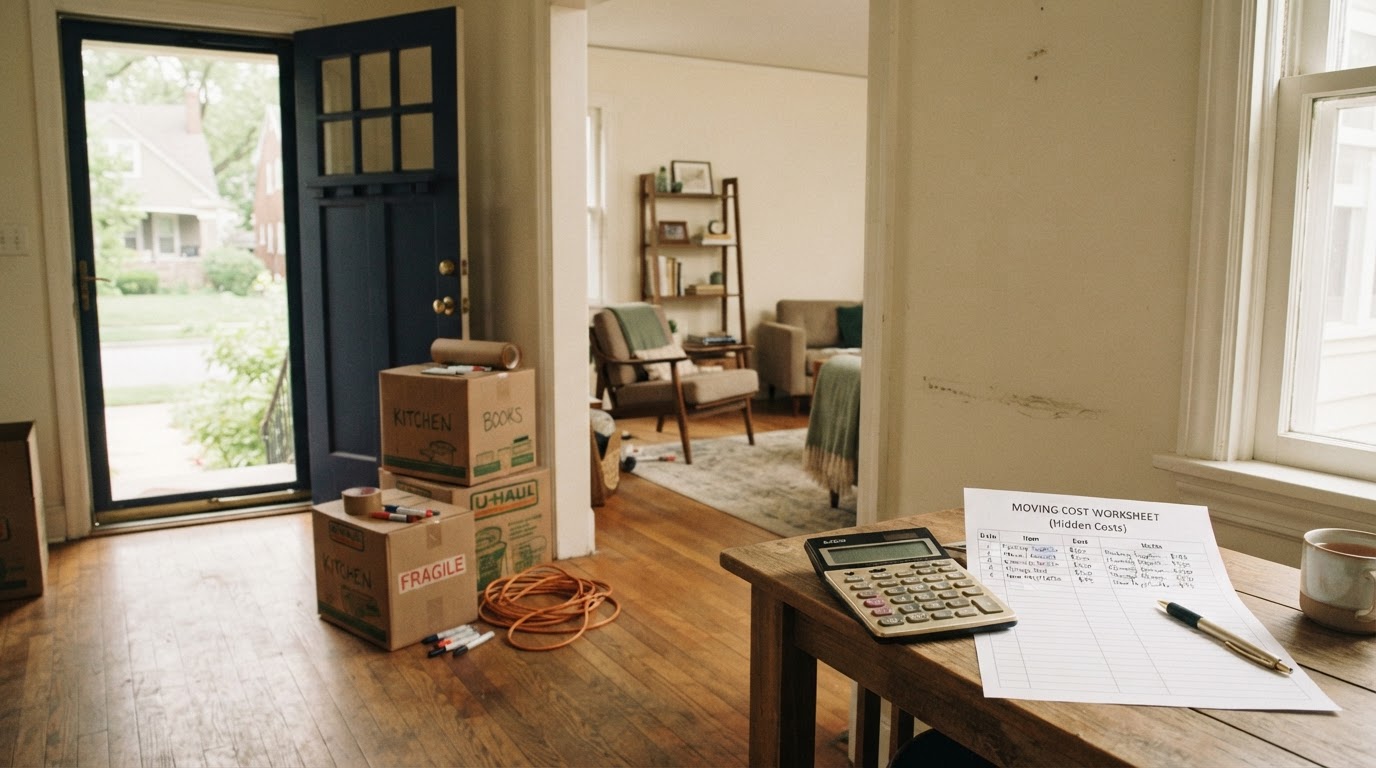
The Hidden Costs of Moving Between Two Homes
A move's price tag extends well beyond the sale and the purchase. Moving services, temporary housing, storage, utility overlap, deposits, and the disruption of daily life all add up. Understand what a relocation actually costs before budgeting only for the two transactions.

The Hidden Complexity of Moving Closer to Family
Moving closer to parents, children, or grandchildren can be deeply rewarding — and more complicated than it looks. Proximity changes support, housing needs, costs, and family expectations. Understand the property decisions it creates before committing to the move.

The Growing Financial Tradeoffs of Owning a Second Home
A second home can be a retreat, a gathering place, or a long-term plan — and it can become a financial commitment that no longer fits the household it was built around. When the costs grow, the question of keeping it grows with them.

The Family Home After the Children Leave
When the last child moves out, the home that was built around a full household starts asking different questions. Some are practical — space, cost, upkeep. Others are about what the home is now for.

Should You Sell Your Current Home Before Buying the Next One?
Selling first can reduce financial exposure and strengthen a purchase offer. It can also mean temporary housing, storage, and moving twice. Explore the tradeoffs before choosing an order for your move.

Should You Sell or Rent Your Home When Relocating?
Keeping your current home as a rental can preserve ownership and cover some costs. It also creates a new set of obligations — tenants, management, maintenance, and the realities of being a long-distance landlord. Explore the decision before committing to it.
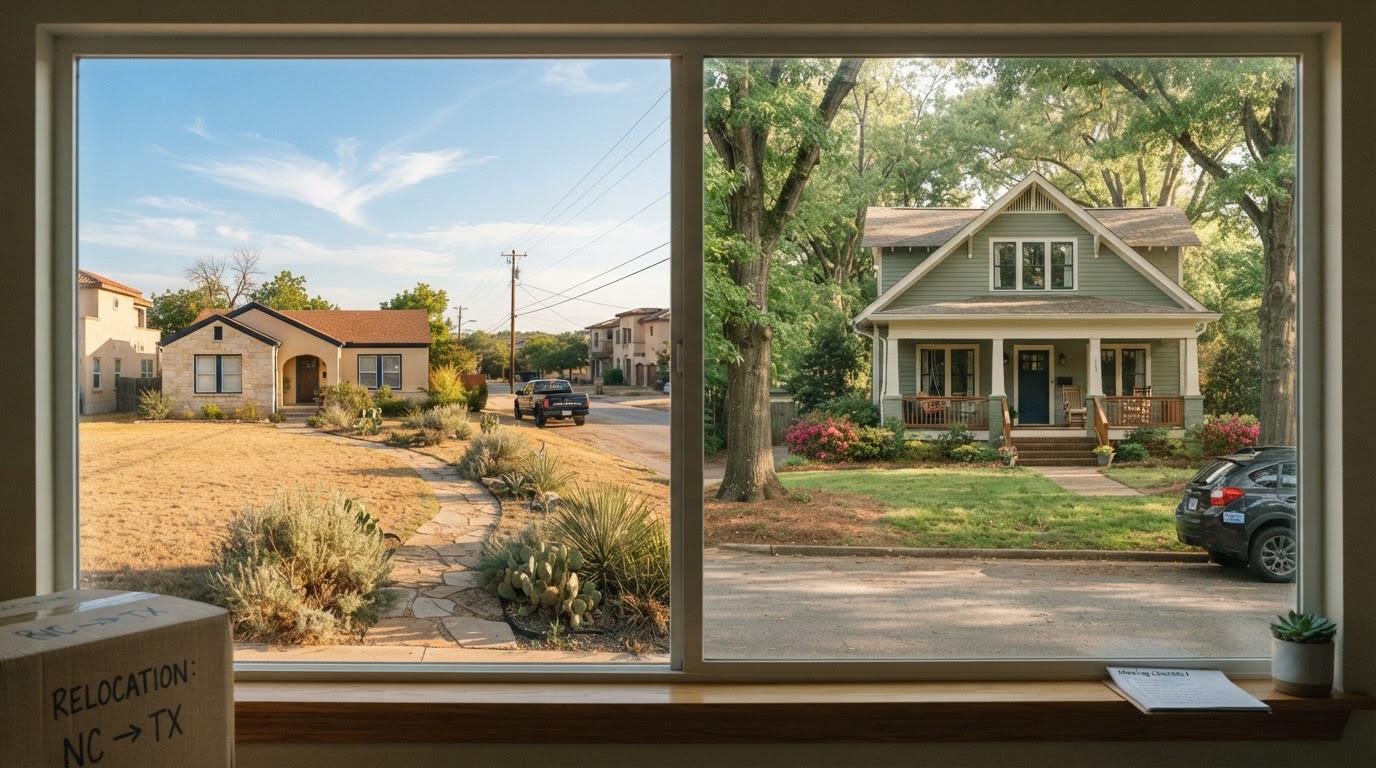
Moving Between Texas and North Carolina: What Homeowners Should Understand
Relocating between Texas and North Carolina involves two different housing markets, property-tax structures, insurance environments, and lifestyle costs. Understand the property decisions a move between these states creates — in both directions.
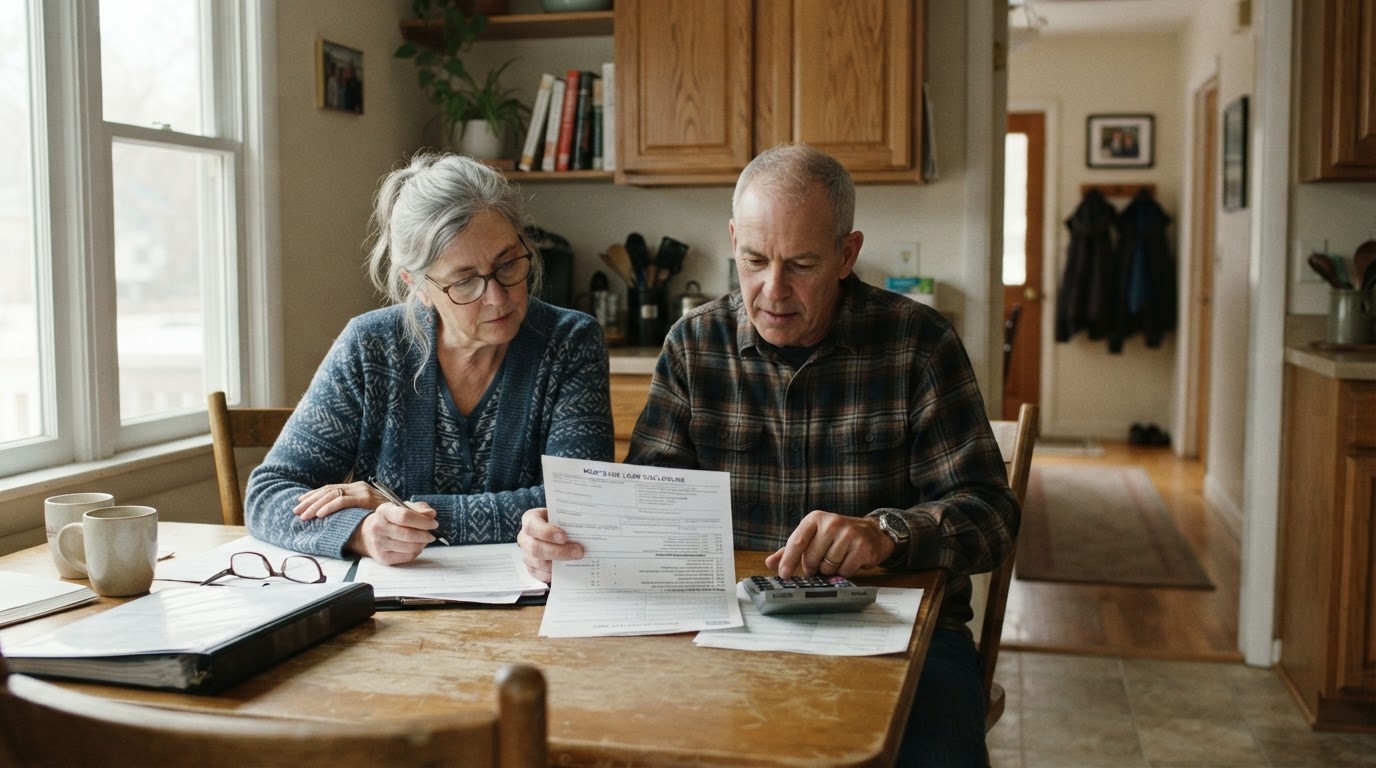
How Mortgage Rates Change More Than Buying Power
A mortgage rate shapes what a buyer can afford, but it also shapes what existing owners are willing to do — and that second effect can matter as much as the first.
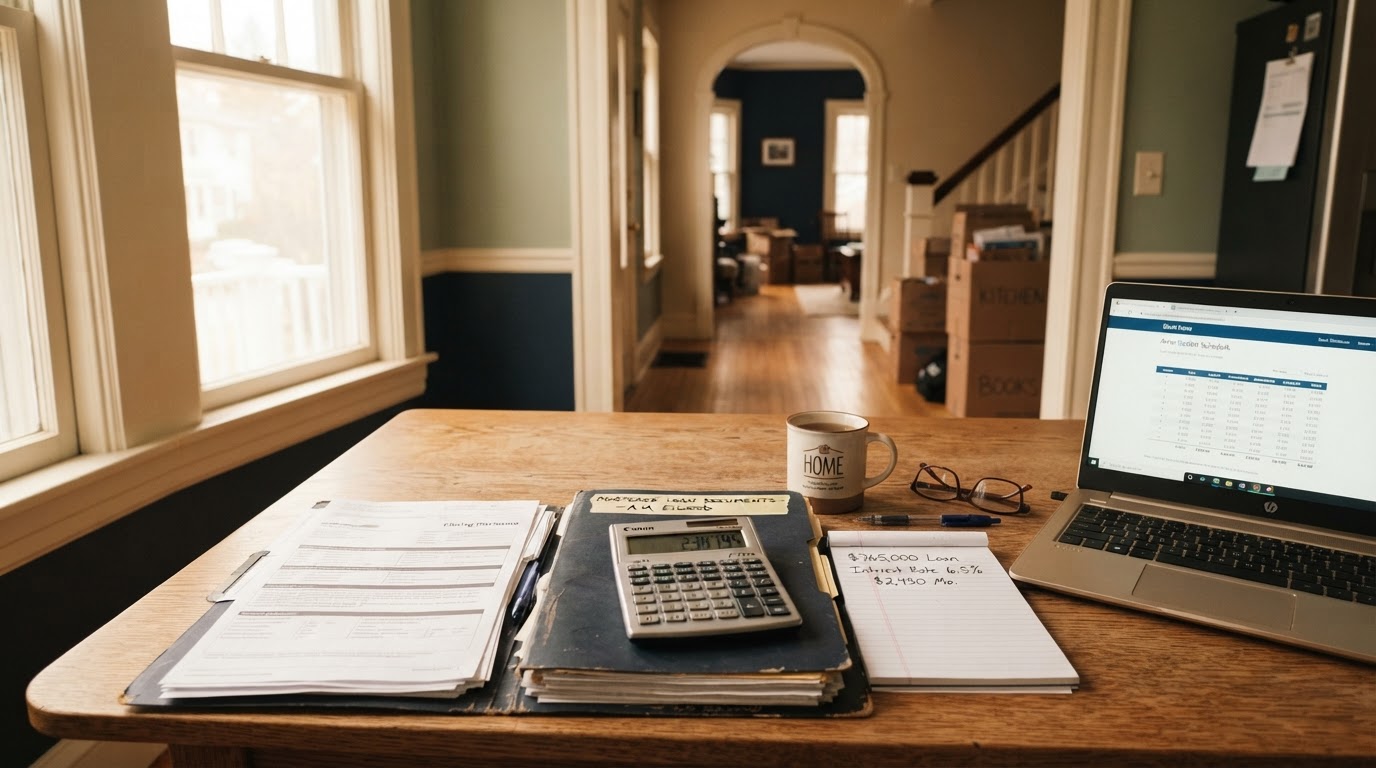
How Mortgage Financing Can Shape the Order of Your Move
Whether a household can buy before selling — or needs to sell first — often comes down to what a lender will underwrite. Understand how debt-to-income, reserves, and existing mortgage obligations shape which relocation sequence is even available.

How Housing Market Conditions Change the Choice Between Selling and Renting
Renting out a home instead of selling can make sense — and it can quietly become its own burden. Market conditions shape which path makes sense, and so does the household's appetite for the ongoing work of being a landlord.
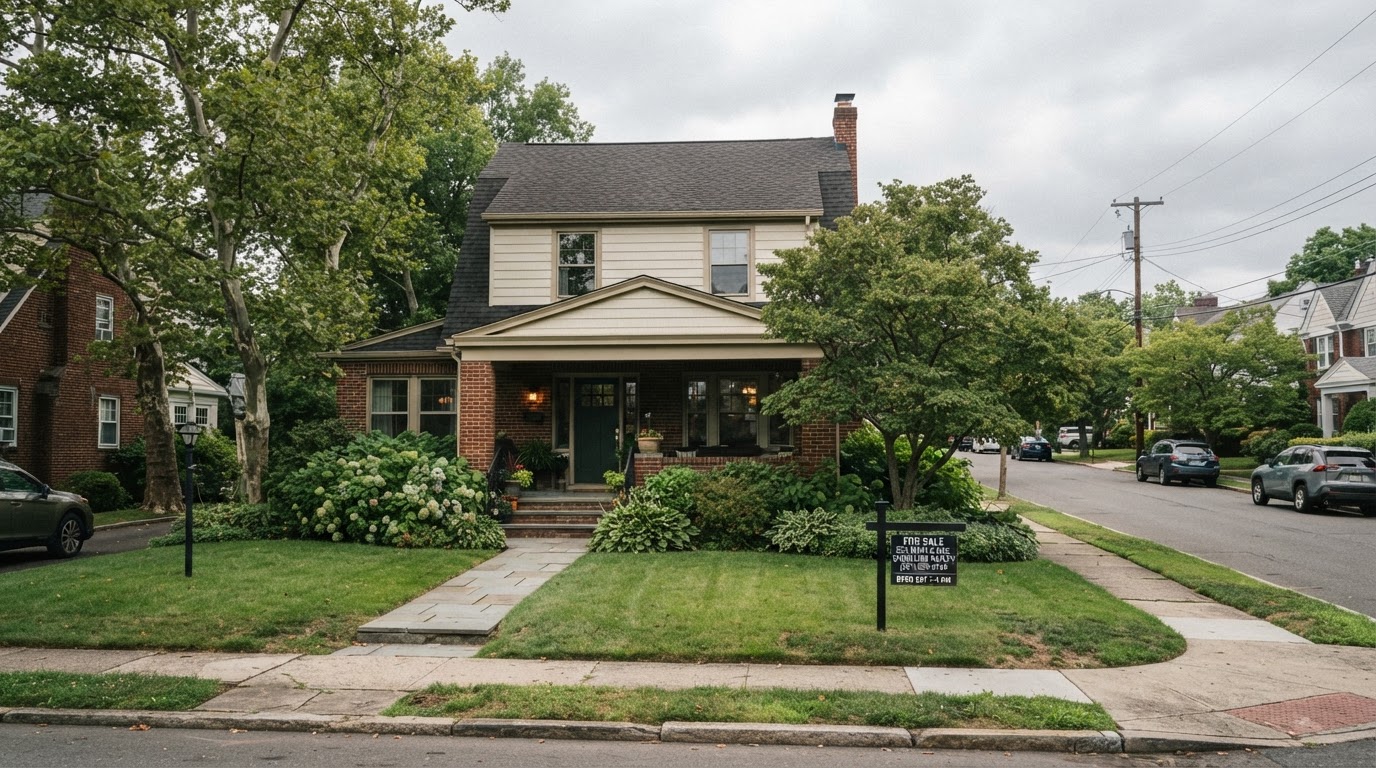
How Housing Inventory Changes a Seller's Choices
The number of homes for sale in your area shapes more than your sale price. It changes which selling strategies are even practical — and which tradeoffs a seller has to accept.

After Losing a Spouse, the Home Can Become a Different Place
Losing a partner changes what a home is — who it holds, what it costs to keep, and how it feels to live in. There's rarely a right timeline for the property decisions that follow, and rarely a reason to make them quickly.
Understanding Is the Beginning.
Explore guides and tools that help you compare options, estimate costs, and plan what comes next.