
Life & Property
When a Family Property Becomes Part of the Next Generation's Future
A long-held property carries more than equity — it carries a family's history and the question of what should happen to it next. Preserving, transferring, or reconsidering a legacy property is a decision that deserves to be made on purpose.
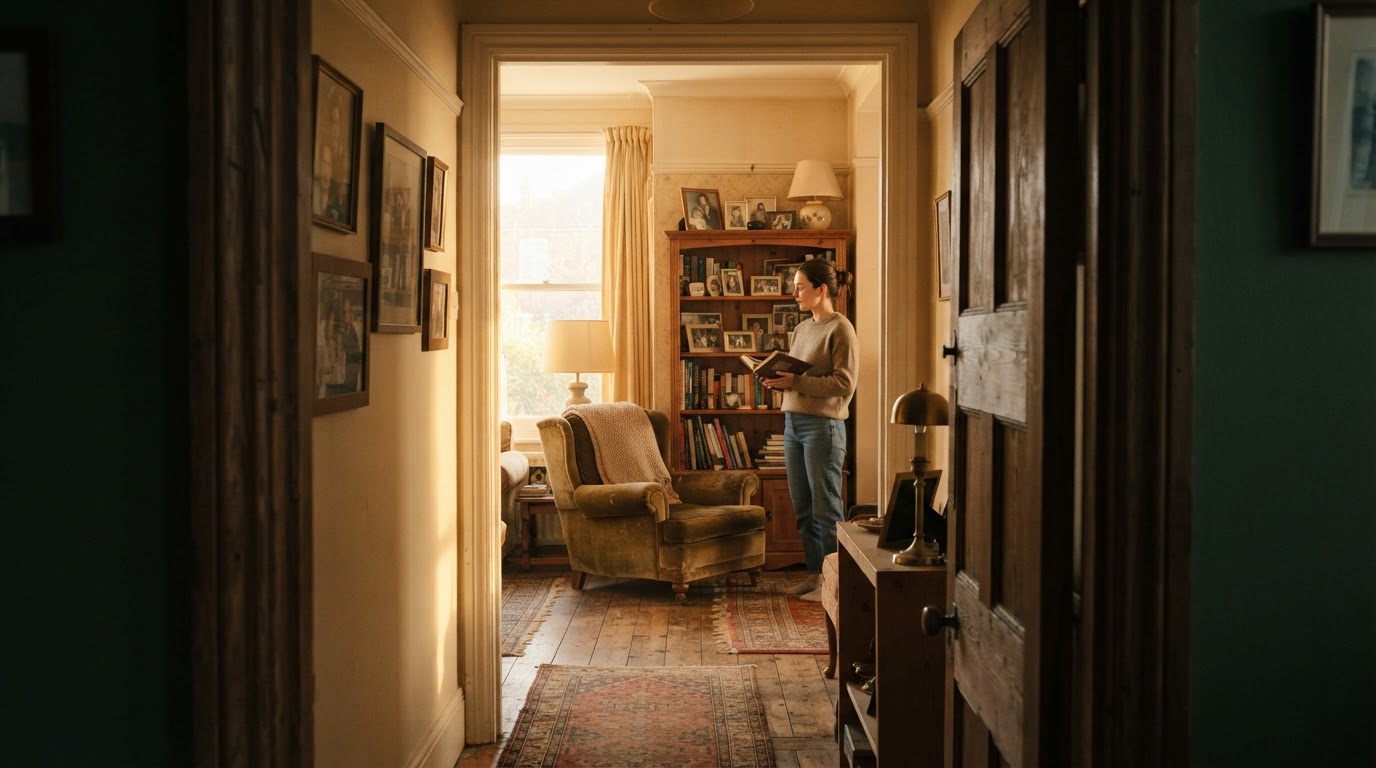
A property that's been in a family for a generation or more carries something that doesn't fit on a balance sheet. It holds the history of a household — the years lived in it, the work put into it, the place it became in a family's story — and the question of what should happen to it next is rarely a simple transaction. For some families, the answer is to preserve it: to keep the property in the family, to maintain it as a place that holds continuity across generations. For others, the honest answer is that the next generation can't or doesn't want to carry it, and that letting it go is the right thing even if it's a hard one. And for many, the question arrives before there's a clear answer — in the quiet, deliberate years when a family begins to think about what a legacy property should become. That thinking deserves to happen on purpose rather than by default.
What 'legacy' actually involves
The word legacy sounds like it's about the past, but the practical questions it raises are about the future — and they're more concrete than they sound. A property that passes to the next generation carries ongoing responsibilities: taxes, insurance, maintenance, management, and the cost of keeping it. It may carry a structure — a trust, a shared ownership arrangement, a tenant, a condition — that shapes what's possible. And it carries a set of expectations, often unspoken, about who it's for, what it should remain, and who's responsible for it. A legacy that's never discussed tends to become a burden that arrives by surprise. A legacy that's discussed deliberately can be exactly what a family intends it to be — or it can be honestly reconsidered when the intention no longer fits.
The questions a family is really weighing
Can the next generation carry it?
A property that's affordable to one household may not be to the next — different incomes, different locations, different stages of life. The honest question is whether the people who would inherit the home can sustain what it requires, in money, time, and proximity, or whether holding it would become a strain that erodes the very thing the legacy was meant to preserve. Wanting to keep a property in the family and being able to are different things, and both deserve to be part of the conversation.
What does the property mean to the people who'd receive it?
A family home that holds deep meaning for one generation may carry a different weight for another — one that grew up in it, or one that knows it only as a responsibility. The value of a legacy property isn't only its market price; it's what it means to the people who'd hold it next, and that meaning isn't always the same across generations. A legacy preserved against the next generation's wishes can become a burden dressed as a gift. Understanding what the property means to the people who'd actually carry it is part of deciding what it should become.
What structure would make it workable?
If the property is to be kept, the question of how — in what legal and ownership structure, with what responsibilities shared among whom, and with what provisions for the costs it will continue to carry — is where the practical work is. A family that wants to preserve a property may find that a particular structure makes it sustainable where another would not, and that the right arrangement is worth setting up deliberately, with qualified professional guidance, rather than leaving it to be worked out under the pressure of a transition. Estate planning, ownership structures, and the tax and legal dimensions of transferring property across generations are areas where the right advice, early, can protect both the asset and the family.
“A legacy isn't the property itself. It's what the family decides the property should be — for the people who'll carry it next, not only the ones who built it.”
When the honest answer is to let it go
It's worth holding the possibility that the right legacy decision is sometimes to let a property pass out of the family. A home that can't be sustained, that no longer fits the lives of those who'd inherit it, or that has become a source of friction rather than connection, may be better honored by being released than by being held at a cost. That's not a failure of the legacy. It's a recognition that the meaning a property carried for one generation doesn't automatically transfer to the next, and that the most honest version of a family's intention may be to let the property serve someone else's next chapter. The decision, either way, deserves to be made with the full picture rather than the default of 'keep it because it's ours.'
Questions worth asking as a family
- What does the property actually cost to carry, and can the next generation sustain it — in money, time, and proximity?
- What does the property mean to the people who'd hold it next, not only to those who built it?
- What ownership or legal structure would make keeping it workable, and what professional guidance would that require?
- Is the right legacy to preserve the property — or to let it serve a different family's next chapter?
- What conversations, begun now, would prevent this decision from arriving as a surprise under pressure later?
This article provides general educational information, not individualized legal, tax, or estate-planning advice. Ownership transfer, estate, and property decisions should be evaluated with appropriately qualified professionals based on individual circumstances.
Related paths
These Jumpcity capabilities may be relevant to this situation.
AI tools were used in preparing this article. Jumpcity is responsible for its published content.
Continue exploring
Guides & Tools for Your Next Step.
Explore practical resources to understand your options, compare tradeoffs, and prepare for what comes next.
Inherited a Property — Where Do You Start?
Organize what you know, what you owe, and the questions that deserve attention before a transaction.
Read the GuideInherited Property Next-Step Planner
Organize facts, documents, access, carrying expenses, and decision-makers in one place.
Open the PlannerWhen a Home Has More Than One Decision-Maker
Understand how shared ownership, different priorities, and family responsibilities affect property decisions — and how to move forward together.
Read the GuideShared Priorities Worksheet
Record each person's priorities, open questions, and points of agreement in one place — without forcing agreement or deciding who is right.
Open the WorksheetRelated insights
When an Inherited Home Becomes a Family Decision
An inherited property often becomes a question for everyone who shares it. Ownership, memories, costs, and different ideas about the future all arrive at once — and the first useful step is rarely a sale.
When Siblings Disagree About the Family Home
When a family property passes to several heirs, the decision rarely belongs to one person. Different priorities, distances, and financial pressures turn a single asset into a family conversation — and the first useful step is understanding the options, not picking one.
When the Home You Love No Longer Fits the Life You're Living
The home that once made life easier can gradually become harder to live in. When that happens, the question isn't always whether to sell — it's whether the home can continue supporting the life you want to live.
Useful context is worth sharing.
Not sure which path fits your situation?
What Happens After You Start
You share your situation. Complete the assessment — about three minutes, no obligation.
A person reviews it. Someone at Jumpcity reads what you shared to understand your goals.
We follow up with context. We reach out with relevant options and an appropriate next step.
A short, guided assessment · No obligation
A Path for Every Move.