
When Life Changes, Property Decisions Follow.
A new chapter can change what home means, what a property requires, and what comes next. Explore the decisions that arise through family changes, aging, inheritance, relocation, retirement, and other important life transitions.
Understand the change. Consider the choices. Prepare for what’s next.
A Change in Life Can Change Everything About Home.
Changes in family, work, health, relationships, and priorities can affect where someone lives, who lives with them, who owns the property, who maintains it, what it costs, whether it still fits, and what needs to happen next. The property decision follows the life change — not the other way around.
- A parent needs help.
- A loved one has passed away.
- A marriage begins or ends.
- A family is growing.
- Retirement is approaching.
- A job requires a move.
- Health or mobility is changing.
- Circumstances changed unexpectedly.
Where Property Decisions explains the choices that emerge and Ownership Pressures explains what makes owning more complicated, Life & Property explains why the decision matters to the household in the first place. Together the three sit upstream of every Jumpcity pathway — because the right path depends on the household’s actual circumstances, not on a headline.
Different Chapters. Different Property Decisions.
A life change can lead toward staying and adapting, keeping and renting, relocating, downsizing, combining or separating households, or resolving an ownership question — not all of them available or appropriate in every situation. These are the chapters that most often create a property decision.
- 01
Aging Parents & Caregiving
A parent who can no longer use the stairs, a home that's becoming difficult to maintain, a move closer to family, or adult children stepping into property decisions — the situations where a parent's home becomes a family conversation.
“How do we help a parent make the right next move?”
May involve Clearpath™ · Market · Relocation
- 02
Inheritance, Loss & Estate Transitions
Inheriting a family home, shared heirs, an inherited mortgage, a vacant property, or a family disagreement about keeping or selling — the ownership and family questions that follow a loss.
“What should happen to a property after someone passes away?”
May involve Clearpath™ · Market
- 03
Marriage, Partnerships & Growing Households
Combining two households, deciding which home to keep, buying a shared home, a growing family needing more space, or a blended family's housing decisions — the planned, often positive transitions that change what a home is for.
“How should our housing change as our family changes?”
May involve Market · Relocation
- 04
Divorce, Separation & Household Restructuring
Deciding whether to keep or sell a shared home, one spouse remaining in the property, mortgage obligations following separation, or timing property decisions around legal proceedings — the decisions that require a neutral, sensitive approach.
“What property decisions need to be addressed when a household separates?”
May involve Clearpath™ · Market
- 05
Retirement, Downsizing & Lifestyle Changes
Retirement relocation, downsizing, empty nesting, moving closer to grandchildren, reducing maintenance, or a single-level home — the lifestyle changes that reshape what a longtime home needs to do.
“Does this home still fit the life we're planning?”
May involve Market · Relocation · Clearpath™
- 06
Career, Employment & Relocation
A job relocation, an employer transfer, remote-work changes, a move between states, buying before selling, or maintaining two homes — the timing, sequencing, and financial exposure that connect a life change to a move.
“How do we coordinate a life change with a move between homes?”
May involve Relocation · Market
- 07
Health, Accessibility & Changing Physical Needs
Mobility limitations, stairs becoming difficult, recovery after an injury, long-term accessibility, or home modifications — the situations where adapting the home and moving are both real alternatives.
“Should we adapt the home or consider a different living arrangement?”
May involve Clearpath™ · Market
- 08
Financial & Unexpected Life Changes
A job loss, a change in household income, the loss of a spouse's income, unexpected expenses, or a property becoming too demanding — the situations where understanding the options matters more than a default toward selling.
“What property choices are available when circumstances change unexpectedly?”
May involve Clearpath™ · Market · Offers
A single life change can touch several of these chapters at once. None of them means a household should sell — and none of them means they should stay. Each is a reason to understand the situation clearly before choosing a direction.
One Life Change. More Than One Decision.
A single event rarely creates a single property decision. More often, one life change sets off a connected set of questions that each deserve their own consideration — and that interact with one another.
- An aging parent may need to evaluate accessibility, ongoing maintenance, family support, and whether remaining in the home still serves them — each its own decision.
- A job relocation may involve buying, selling, renting, timing, and carrying two properties at once — a sequence of decisions, not one.
- An inheritance may involve ownership, family agreement, property condition, and financial obligations — questions that need to be understood together before anything moves.
Considering the whole situation before selecting a transaction path is what makes the difference between a move and a plan.
Start With the Situation.
A consequential life change deserves more than a guess. These seven steps help a household move from “something changed” to “here’s what makes sense to do next” — without pretending an article can make a personalized recommendation.
- 1Step
Understand what's changed.
A new job, a growing family, a parent who needs help, a loss, a retirement, or a health change — name the change before naming the decision it creates.
- 2Step
Identify who is affected.
The household, a spouse, adult children, heirs, a co-owner, or a caregiver. The people involved shape which decisions are even on the table.
- 3Step
Clarify the property decisions.
Keep or sell. Stay or move. Adapt the home or relocate. Combine households or separate them. Name the actual decisions before jumping to a deal.
- 4Step
Explore the available options.
Often more than two. A life change rarely collapses to a simple yes or no — understanding the realistic options is where clarity begins.
- 5Step
Consider the tradeoffs.
Financial impact, timing, family priorities, attachment, accessibility, certainty, and the long-term consequences of each direction.
- 6Step
Identify missing information.
Facts, documents, estimates, approvals, or professional input that could change which option makes sense — and that shouldn't be guessed at.
- 7Step
Establish next steps.
Not a personalized recommendation, but a clear, practical move that keeps the decision moving without forcing it before it's ready.
Understand your options. Make a plan. Connect with the right professionals. The framework is consistent, but every article adapts it to its subject — not the other way around.
Perspectives for Life’s Changing Chapters

When the Home You Love No Longer Fits the Life You're Living
The home that once made life easier can gradually become harder to live in. When that happens, the question isn't always whether to sell — it's whether the home can continue supporting the life you want to live.
Life & Property in Practice
Every article in the Life & Property collection, newest first. Choose a subtopic below to focus on a particular kind of change.

When an Inherited Home Becomes a Family Decision
An inherited property often becomes a question for everyone who shares it. Ownership, memories, costs, and different ideas about the future all arrive at once — and the first useful step is rarely a sale.

Why a Changing Life Doesn't Always Mean Selling Your Home
When circumstances change, selling is often presented as the default. But it's one option among several — and understanding the alternatives is what turns a reaction into a decision. Selling is a choice, not an inevitability.
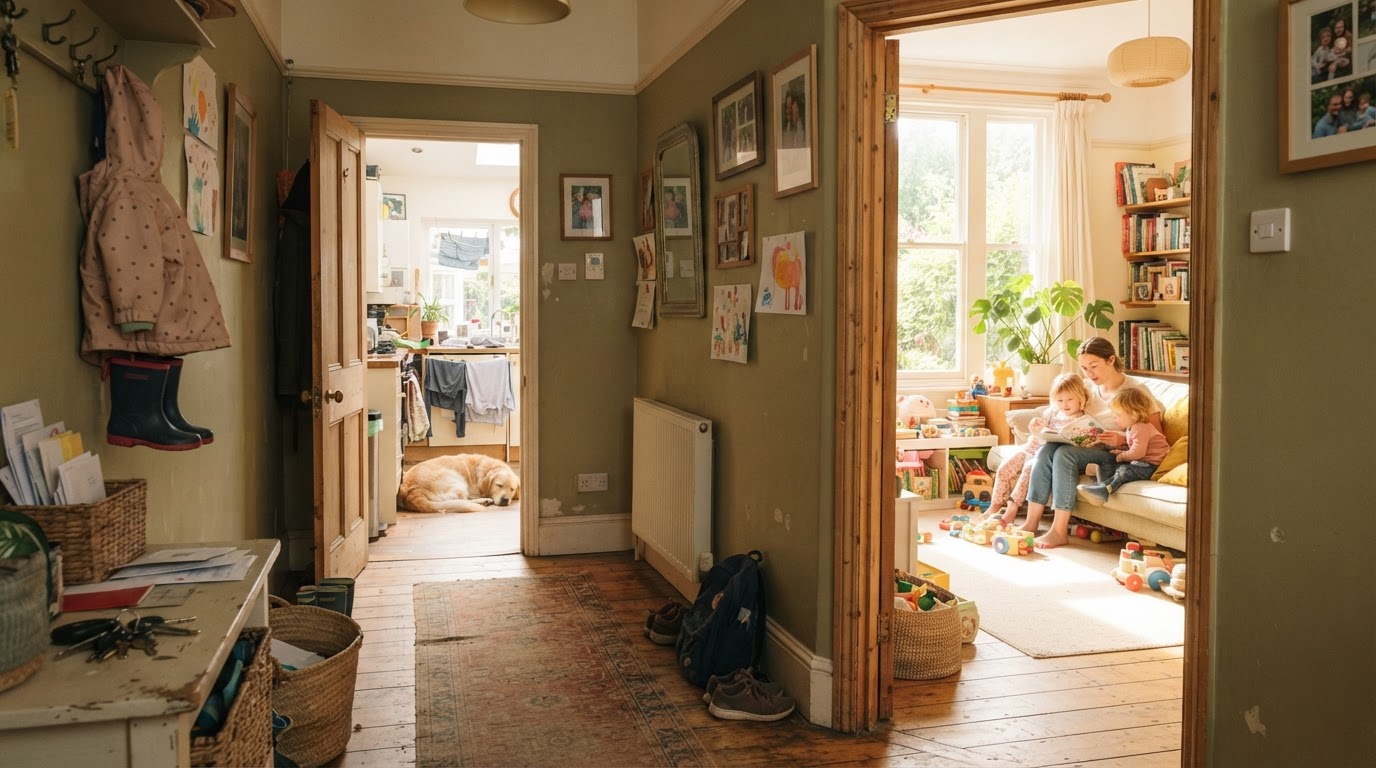
When Your Family Outgrows the House That Once Fit Perfectly
A home that fit a household for years can start to feel small as the people inside it change. The question isn't always whether to move — it's whether the home can grow with the family living in it.

When Siblings Disagree About the Family Home
When a family property passes to several heirs, the decision rarely belongs to one person. Different priorities, distances, and financial pressures turn a single asset into a family conversation — and the first useful step is understanding the options, not picking one.

When Retirement Changes What You Need From Home
Retirement reshapes the economics of a household — income, time, location, and the daily purpose of a home all change at once. The useful question isn't whether to move, but what the home is now for.
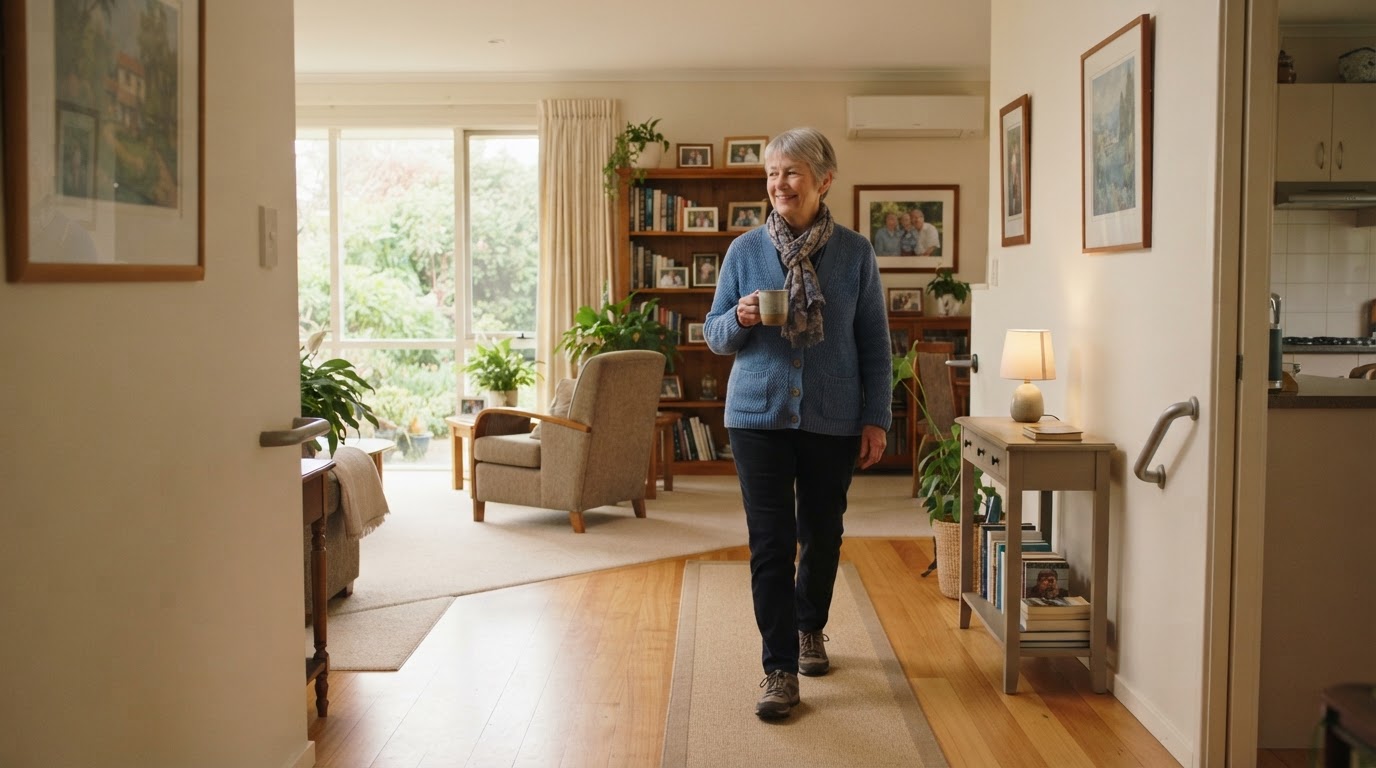
When Health Changes the Meaning of Independence at Home
Independence isn't a single state — it's shaped by what a home allows, what support is available, and what a changing body can comfortably do. When health shifts, the question isn't whether to stay but what staying well actually requires.
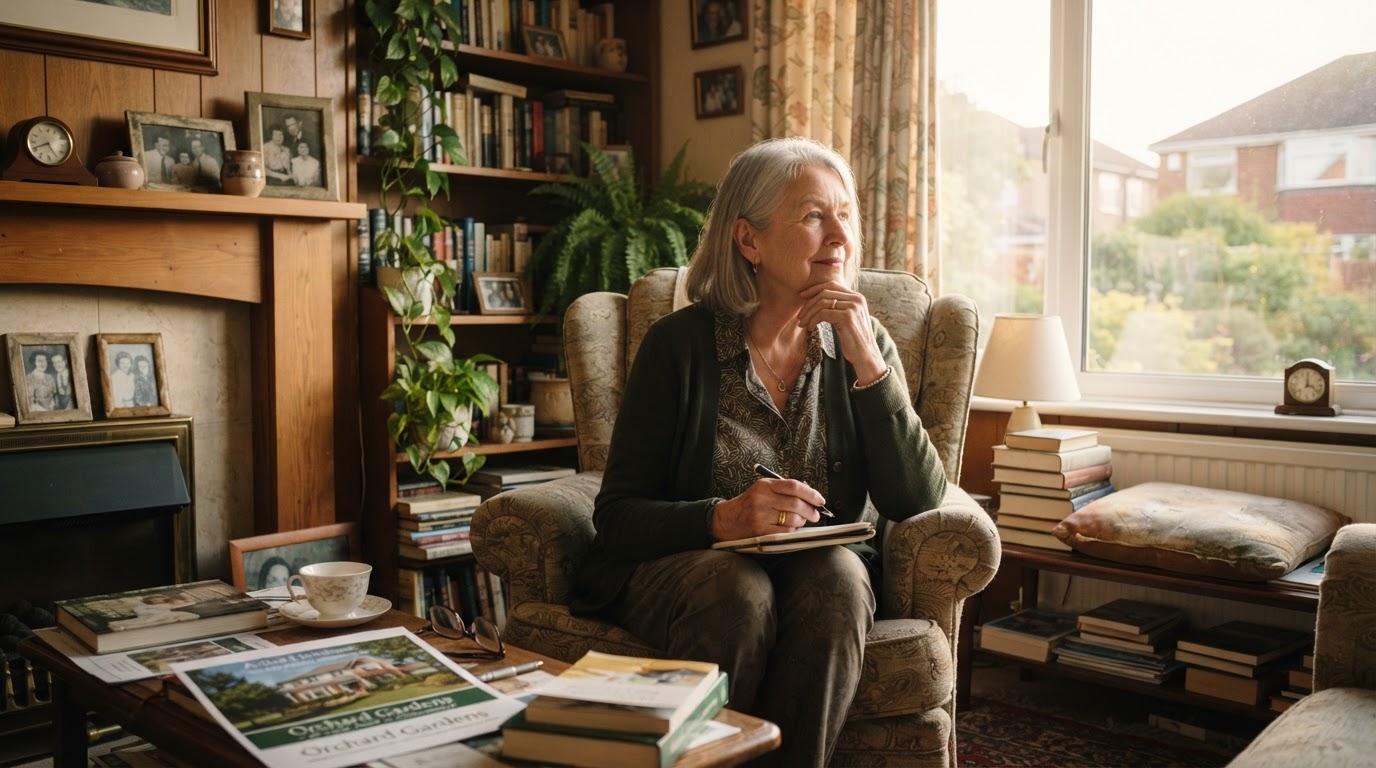
When Downsizing Is About More Than Square Footage
Downsizing is often treated as a math problem — fewer rooms, smaller payment. But the homeowners considering it are usually after something less measurable: freedom, simplicity, proximity, or a life that fits differently.

When Caring for a Parent Changes Your Own Housing Plans
Becoming a caregiver can reshape the caregiver's housing as much as the parent's. Combining households, moving closer, or adapting a property — each carries its own costs, logistics, and boundaries.

When an Aging Parent's Home Becomes a Family Concern
It often starts with a small worry — a fall, a cluttered stairway, a house that's harder to keep up. How can a family help while respecting a parent's independence and the home they've built?

When Adult Children Move Back Home
A household that was once full and then quiet can become full again. When adult children return, the home has to fit a different kind of family — and the questions that follow are practical, financial, and human.

When a New Marriage Brings Two Homes Together
Blending a household often means blending two properties — two mortgages, two sets of equity, two locations, two sets of routines. The question isn't only which home to keep. It's what the new household needs.
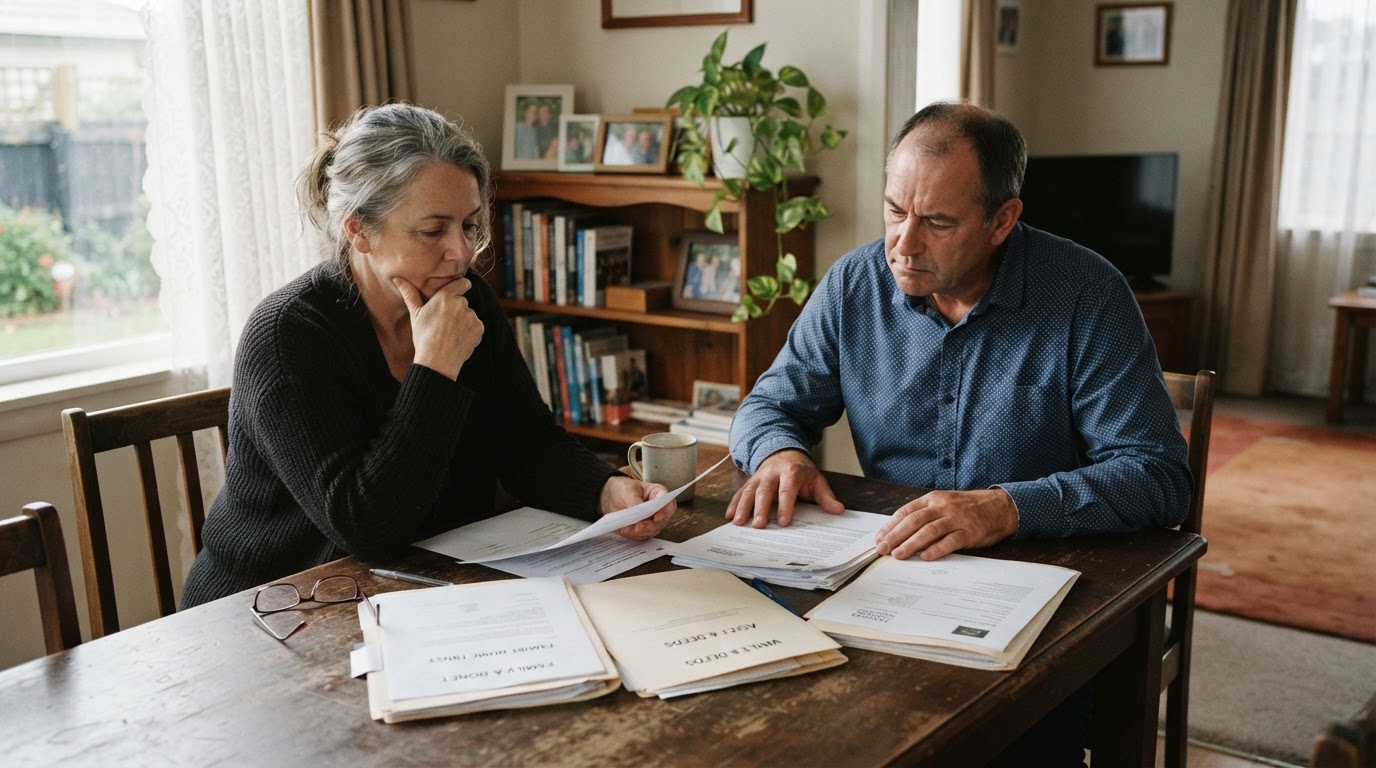
When a Marriage Ends, What Happens to the Family Home?
Separation and divorce turn a shared home into a shared decision about money, timing, and what comes next. The home can be kept, sold, refinanced, or held — and the right answer depends on more than its value.

When a Longtime Homeowner Is Ready for Something Different
Not every property transition begins with a problem. Sometimes a homeowner simply wants a different life — and that's a legitimate reason to reconsider a home. The useful question is what 'different' should actually look like.

When a Job Change Reshapes Where a Family Lives
A new opportunity can mean a new city, a longer commute, or a different kind of life. Before the offer becomes a move, it's worth weighing what the relocation actually costs — and what the current home is actually holding.

When a Home Holds More Memories Than Its Owner Can Manage
A longtime home can become too heavy to carry — not because of its size, but because of what it holds. The practical question and the emotional one are intertwined, and the right answer respects both.

When a Family Wants to Live Closer Together
The decision to move closer to family is rarely just about distance. It's about support, time, the shape of daily life — and what each household is willing to change to be nearer. Before the move, it's worth understanding what closeness would actually require.

When a Family Property Becomes Part of the Next Generation's Future
A long-held property carries more than equity — it carries a family's history and the question of what should happen to it next. Preserving, transferring, or reconsidering a legacy property is a decision that deserves to be made on purpose.
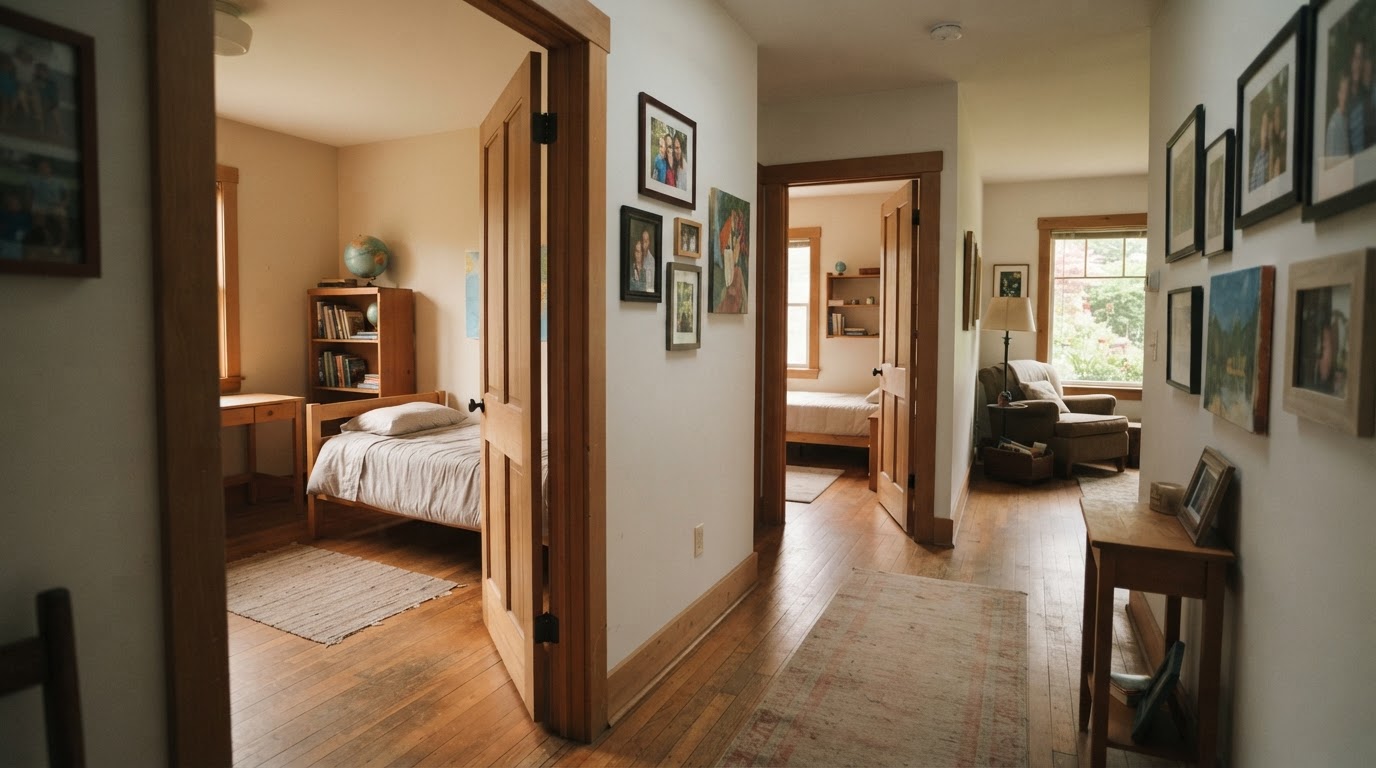
The Family Home After the Children Leave
When the last child moves out, the home that was built around a full household starts asking different questions. Some are practical — space, cost, upkeep. Others are about what the home is now for.

After Losing a Spouse, the Home Can Become a Different Place
Losing a partner changes what a home is — who it holds, what it costs to keep, and how it feels to live in. There's rarely a right timeline for the property decisions that follow, and rarely a reason to make them quickly.
Continue exploring
Practical Resources for What Comes Next.
Explore practical resources to understand your options, compare tradeoffs, and prepare for what comes next.
Downsizing Cost Comparison
Compare current and next-home ownership costs, estimated sale proceeds, purchase expenses, and cash remaining after a modeled move.
Compare OptionsKeep-or-Sell Scenario Worksheet
Compare what selling your property could make available today with what keeping it might require — and potentially produce — over time. Rental cash flow, estimated equity, and estimated sale proceeds are shown as three different measures.
Open the WorksheetSale Readiness Planner
Organize the decisions, documents, preparation tasks, and timing involved in getting a home ready to sell.
Open the PlannerFamily Transition Planner
Center the parent's preferences, responsibilities, and timing in one shared place.
Open the PlannerThe Choices and the Constraints.
Life & Property explains why a decision matters to the household. Two related topics help explain what comes next.
Explore the choices that arise when circumstances change.
Once a life change has been understood, the next question is which choices it creates — and how to evaluate them.
Explore Property DecisionsOwnership PressuresUnderstand the costs, obligations, and constraints that can affect those choices.
The responsibilities of owning property can shape which options are realistic — even when the household is financially secure.
Explore Ownership PressuresLife Changed. Let’s Understand What Comes Next.
Tell us a little about your situation. We’ll help you explore the property considerations, understand possible paths, and identify appropriate next steps.
Jumpcity helps you understand your options, make a plan, and connect with the right professionals. You don’t need to have the answer before you begin.
Between Here and What's Next.
Life & Property helps people understand what's changing in their lives. Jumpcity helps them figure out what comes next for the property that follows.