
When Ownership Becomes More Complicated.
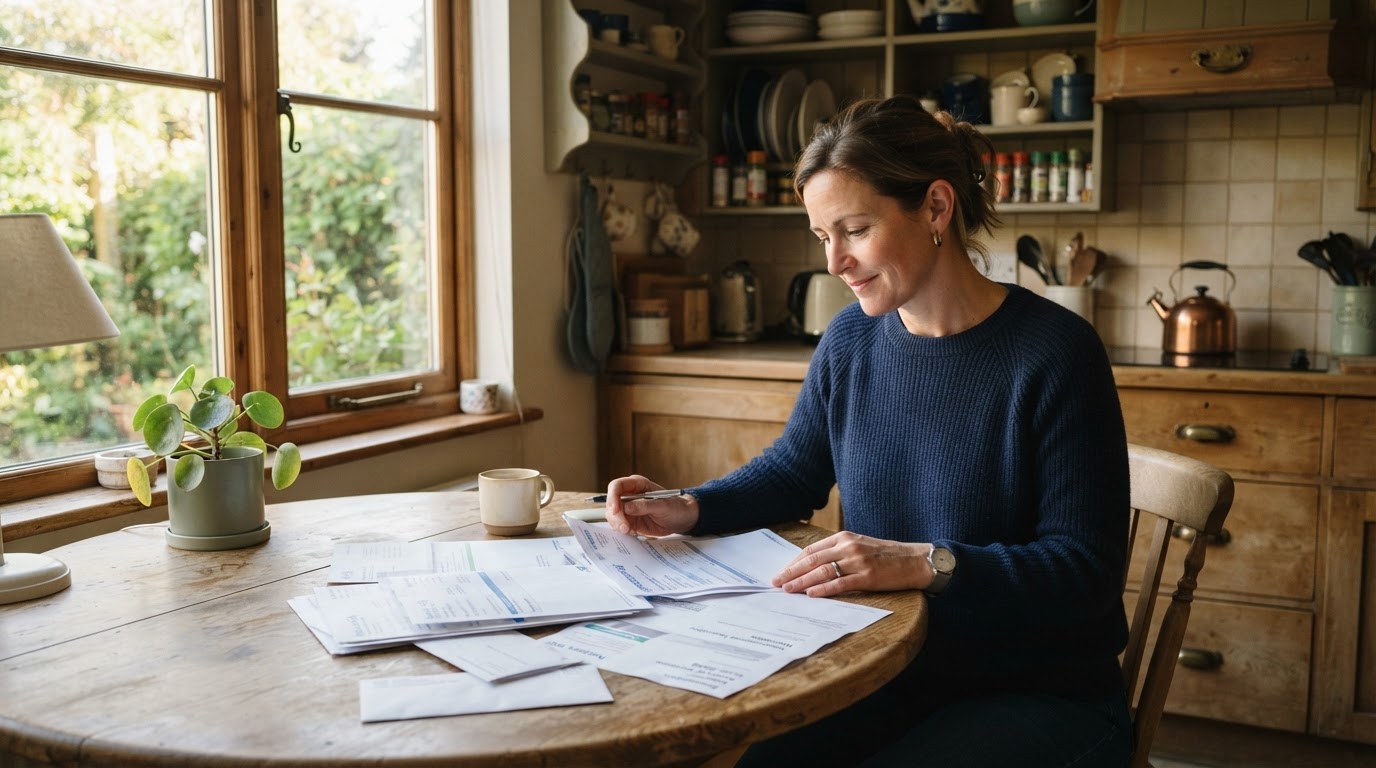
Owning property can become more demanding even when nothing has gone wrong. Rising costs, changing priorities, competing obligations, or the quiet sense that a property requires more than the household wants to give — each can change what keeping it actually means. Understand the pressures affecting your property and explore what may come next.
This isn’t a sign of trouble. It’s a reason to understand the situation before deciding what to do with it.
Ownership is more than a monthly payment.
The cost of owning a home is often described in terms of a mortgage payment, but ownership is a broader set of responsibilities: taxes, insurance, maintenance, financing, time, accessibility, family obligations, and the opportunity cost of holding one property rather than another.
A household can have substantial equity, excellent credit, and the financial ability to keep a property — and still face a situation where owning it no longer works the way it used to. The pressure can come from costs, from changing priorities, from competing obligations, from uncertainty, or simply from the realization that the property requires more than the household wants to give.
Ownership pressures touch a wide range of households — established homeowners watching carrying costs rise, relocating families coordinating two homes at once, aging households whose home no longer fits, and property investors whose rental no longer performs. None of them is necessarily in financial trouble. All of them may benefit from understanding the situation before choosing a next step.
Understanding the pressure is the first step. It is not the same as deciding to sell.
Eight ways owning a property can become complicated.
Pressure can build in any one of these areas — or several at once. None of them means a household should sell. Each is a reason to understand the situation clearly before choosing a next step.
- 01
Affordability & Carrying Costs
Rising taxes, insurance, utilities, and maintenance can change what a home costs to keep — even when the mortgage is fixed and the income is stable.
“Can we comfortably continue owning this property?”
- 02
Maintenance & Property Condition
Aging systems, deferred repairs, and the growing effort required to keep a property can turn ownership into a cost that builds over time.
“Does it make more sense to repair, adapt, maintain, or move?”
- 03
Equity, Debt & Financial Constraints
Limited equity, liens, second mortgages, and the cost of selling can complicate the options available — without making any one the right answer.
“What needs to be understood or resolved before we can decide?”
- 04
Family & Life Changes
Retirement, aging parents, divorce, inheritance, growing or shrinking households — the life changes that quietly change what a home is for.
“Does this property still fit the household's circumstances?”
- 05
Rental & Investment Property Pressures
Vacancy, rising expenses, capital repairs, and shifting rental economics can turn an asset into a cost the household carries by default.
“Is keeping this property still consistent with our goals?”
- 06
Ownership & Legal Complexity
Shared ownership, probate, liens, title questions, and disputes among heirs or co-owners can require resolution before any path is clear.
“Who can decide, and what needs to be resolved first?”
- 07
Mobility & Timing Pressures
Relocation, owning two homes, a vacant property, and the lock-in of a favorable mortgage can all shape which move is even possible.
“How do we coordinate the property with everything else changing?”
- 08
Emotional & Lifestyle Pressures
Attachment to a longtime home, decision fatigue, and the weight of what a move would mean deserve honest attention — not a default toward staying or selling.
“Are we keeping this property because it serves us — or because the alternatives feel uncertain?”
Ownership Pressures in Practice
Every article in the Ownership Pressures collection, newest first. Each one explores a situation where owning a property has become more complicated — and the considerations that help a household decide what comes next.

When a Low Mortgage Rate Makes Moving Harder
A favorable mortgage can make staying financially attractive even when the home no longer fits. Explore how the gap between an existing rate and today's borrowing costs can turn a simple decision into a complicated one.

When Owning Two Homes Becomes Too Expensive
Buying the next home before selling the current one can create overlapping payments, uncertain timelines, and pressure that grows the longer both properties are held. Understand how the cost of owning two homes can shape a relocation.

When a Home No Longer Fits the Household
A home can be in perfect condition and still no longer fit the people living in it. Explore how aging, accessibility, empty nesting, and changing family needs can turn a familiar home into a property decision.
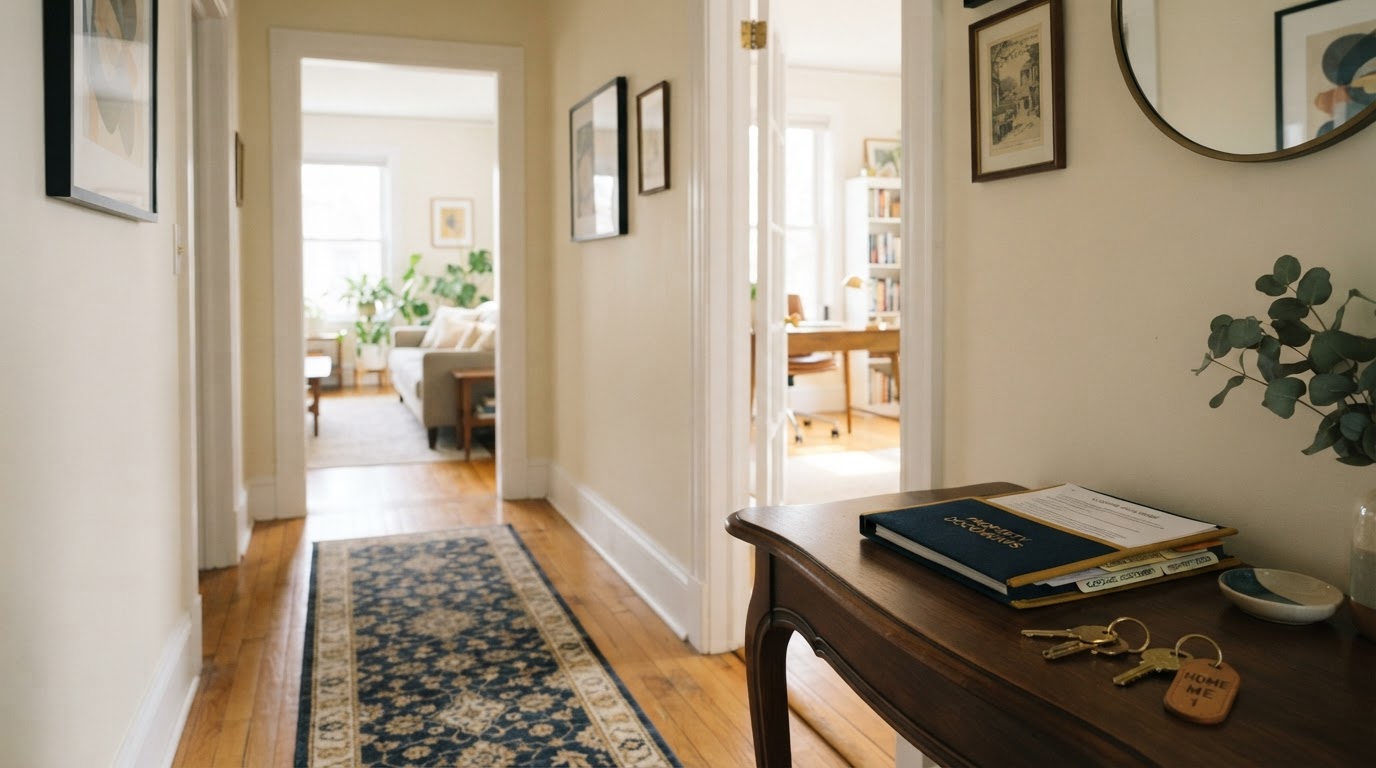
When an Investment Property Stops Making Financial Sense
A rental property can become a liability rather than an asset — rising expenses, vacancies, and unexpected repairs can change the economics of holding it. Explore the considerations behind keeping or selling an investment property.
When keeping the property is still an option.
Not every ownership pressure leads to a sale — and it should not. For many households, the right next step is to keep the property and change something else: the way it is maintained, the way it is used, the arrangements around it, or the financing that supports it.
- Maintain the property, or address the specific cost or condition creating the pressure.
- Repair or adapt the home — accessibility, systems, or layout — so it continues supporting the life being lived in it.
- Adjust household arrangements, outside services, or support so ownership remains sustainable.
- Explore rental conversion, if the property and the household’s financing and circumstances allow it.
- Review financing or assistance options with qualified professionals — without assuming any one is the answer.
The goal is to understand whether keeping the property still serves the household — not to default toward it or away from it.
When keeping no longer makes sense.
For some households, the clearest next step is a sale — not because the pressure is urgent, but because keeping the property no longer serves the household’s priorities as well as another option would. That consideration can involve:
- Long-term affordability, after all the costs of keeping the home.
- Property condition and the cost of the repairs that are coming.
- Family priorities, timing, and the life the household is living now.
- Equity, net proceeds, and the financial tradeoffs of staying versus moving.
- Certainty, flexibility, and what the household needs from its next move.
A sale is one option among several — not the default, and not the only path a pressure creates.
Turn the Pressure Into Better Questions.
Understanding what has changed is a start. Comparing what keeping, adapting, or moving would actually mean for the property and the household takes a closer look.
Jumpcity’s Guides & Tools help you compare options, organize considerations, and prepare for a consequential property decision — without pressure to choose any one path.
“Jumpcity helped me understand what was actually happening with my property — and what my options really were — before anyone tried to sell me anything.”
The standard every Ownership Pressures article is measured against
Understand the Pressure. Then Decide.
Whether the pressure is financial, practical, family-related, or simply the sense that the property requires more than you want to give, the right next step depends on your actual circumstances — not on a headline.
Jumpcity helps you understand your options, make a plan, and connect with the right professionals. You don’t need to have the answer before you begin.
Between Here and What's Next.
Ownership Pressures helps people understand what has changed about owning their property. Jumpcity helps them figure out what comes next.